Scan to leave a review
Together for inclusion is a non-profit and woman lead national organization fully registered with RRC South Sudan with REG-No-3793. TFI was founded in 2021 with aims of promoting equality/equity, building skills and empowering the most in need communities hence building resilient and coexistence.
We respond to both humanitarian crisis, developmental and peace building needs in South Sudan. TFI play huge role in gender and inclusion, prioritizing the needs of most marginalize and conflict affected populations including persons with disabilities, women, elderly, Youth and children. Our mandate is to enable protective equitable empowerment as the pathways to self-independence.
The headquarters of the organization is in Juba, Central Equatorial. The organization aims to empower communities (Most Vulnerable groups) to take charge of their own livelihood, development, through inclusive programs and operations. Our target groups are people disabilities, women, Elderly, Children and youth. We specialized in Empowerment, protection, Education, FSL, Peace Building and reproductive health.
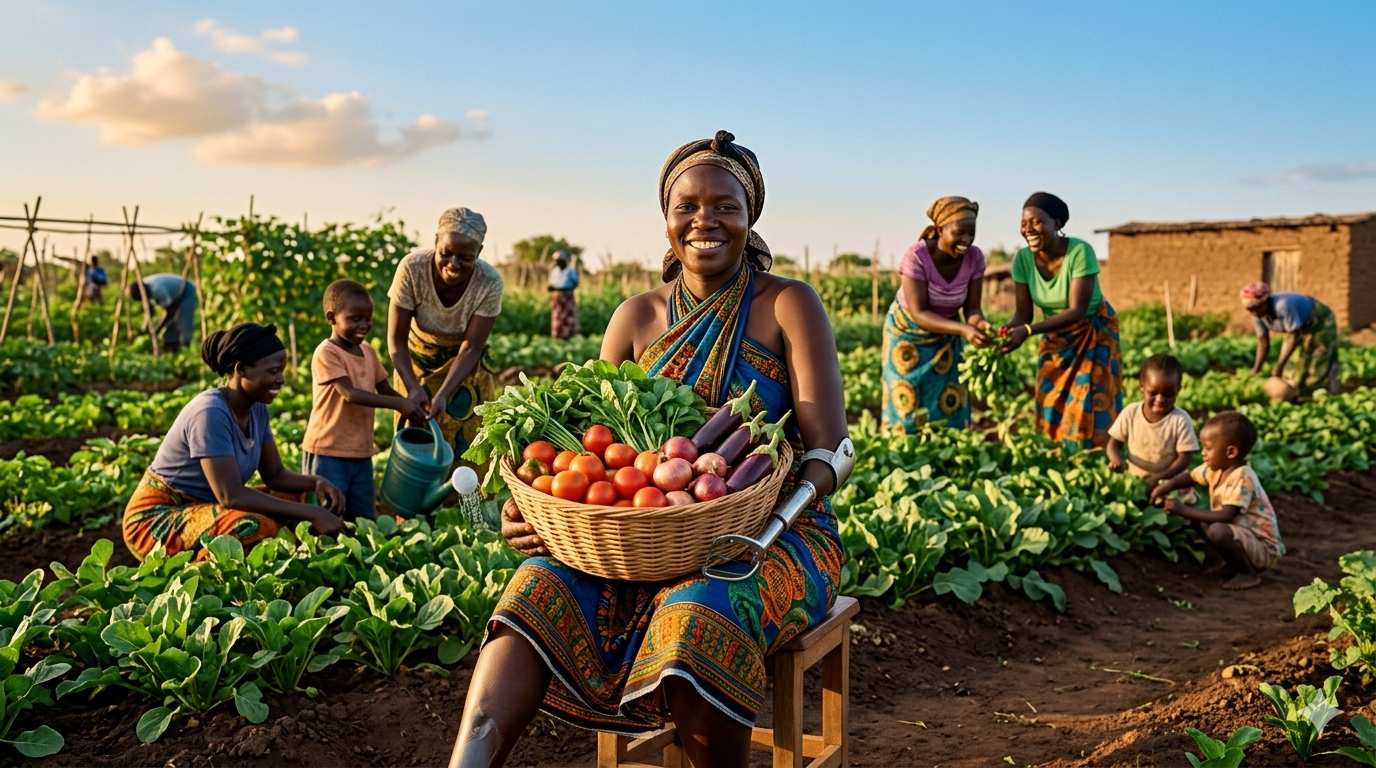
To promote rights, participation, and build skills of the most disadvantage people to build confidence and gain self-reliance.
Contact UsVulnerable people/communities are empowered, equally engaged in social-economic activities and peacefully co-exist.
Contact UsTo strengthen capacities, build Skills , protect dignity and the lives of vulnerable people affected by crisis.
Contact UsTogether for Inclusion (TFI) is a woman-led, non-profit national organization registered with the Relief and Rehabilitation Commission (RRC) of South Sudan (REG-No-3793). Founded in 2021, we empower vulnerable communities; including persons with disabilities, women, children, the elderly, and youth, through protection, food security, livelihood, health awareness, and education programs.
We prioritize the most marginalized and conflict-affected
populations, including: Persons with disabilities, Women and
girls, Children, The elderly, and the Youth.
We design all programs to be accessible, inclusive, and
responsive to the specific needs of these groups.
Yes. TFI is fully registered with the Relief and Rehabilitation Commission (RRC) of South Sudan under registration number REG-No-3793.
TFI operates through a combination of: Internally mobilized
resources, Grants from international humanitarian organizations,
Private donations, Partnerships with government line ministries.
We are committed to transparency and accountability in all
financial matters.
There are several ways to support us:
Donate: Your contribution helps us reach more vulnerable
communities.
Partner: We welcome collaboration with NGOs, government
agencies, and private sector organizations.
Volunteer: Share your skills and time with our team.
Spread the word: Follow us on social media and share our
mission.
When our website launches, you will find a dedicated "Get
Involved" section.
Yes. TFI maintains a zero-tolerance policy toward abuse, exploitation, and harassment. We conduct bi-quarterly safeguarding risk assessments, use survivor-centered approaches, and ensure all staff, volunteers, and participants have access to safe reporting mechanisms.
Inclusion is central to everything we do. We: Mirror gender and disability considerations in all programs, Use gender analysis and disability assessments to identify gaps, Ensure services are accessible and relevant to all genders, persons with disabilities, and the elderly, and Train staff and community structures on inclusive practices.